Winning the Best Actor Award and being nominated for Best Actress “Hot Coffee” asserts Bahrain’s presence at the International Experimental Festival
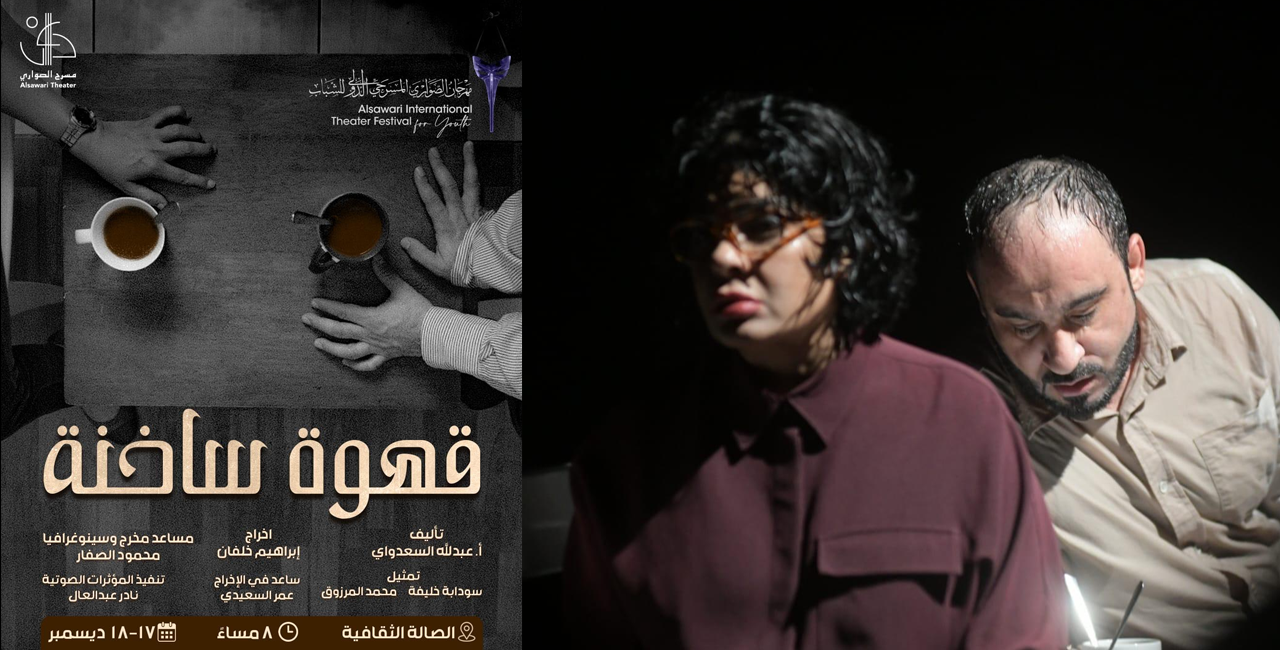
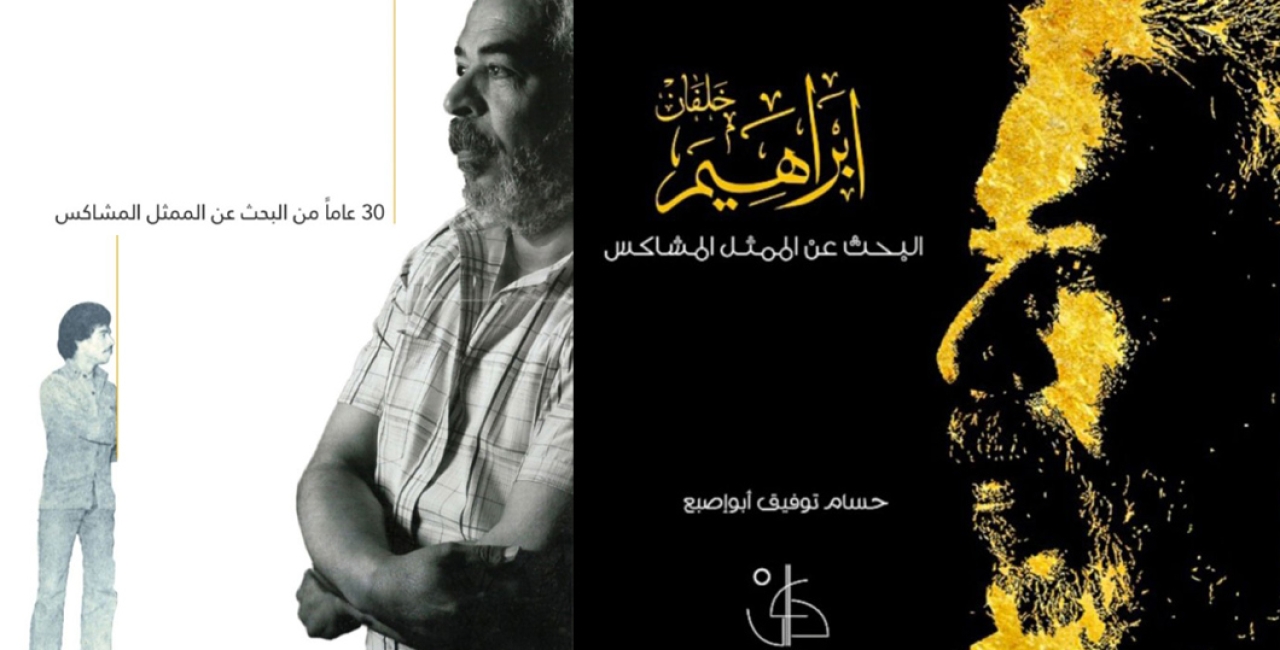
In a distinguished participation at the Cairo International Festival for Experimental Theatre, the play “Hot Coffee” proved its remarkable presence, affirming the status of the Bahraini theatrical experience and its ability to raise contemporary questions through a condensed theatrical language. The work is written by Abdullah Al-Sa’adaoui, directed by Ibrahim Khalfan, and produced by Al-Sawari Theatre, presenting a dramatic vision that explores human isolation in the age of globalization through a الثنائية relationship between a man and a woman within a virtual space open to multiple possibilities.
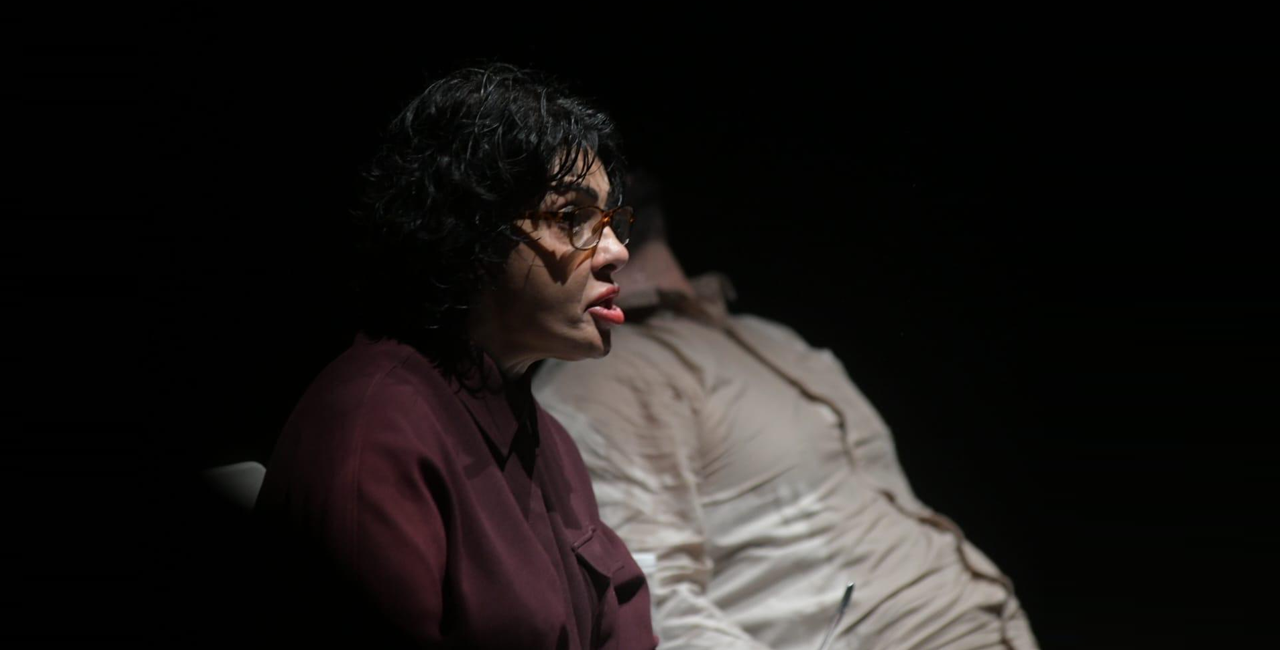
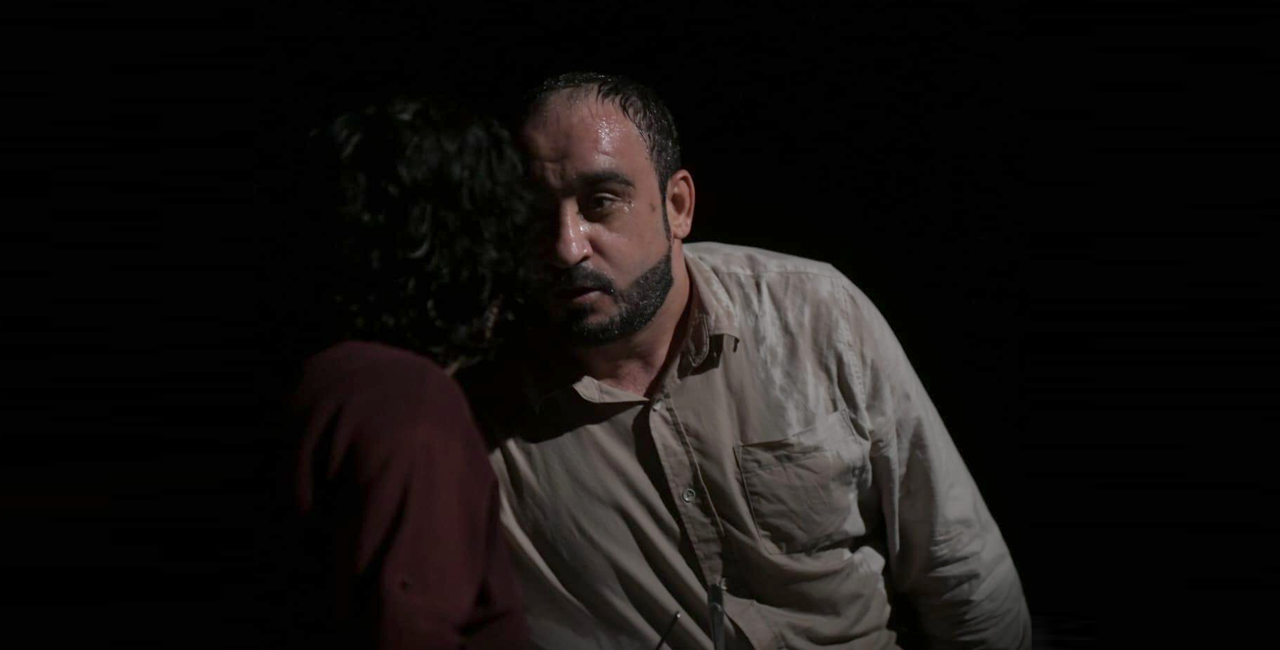
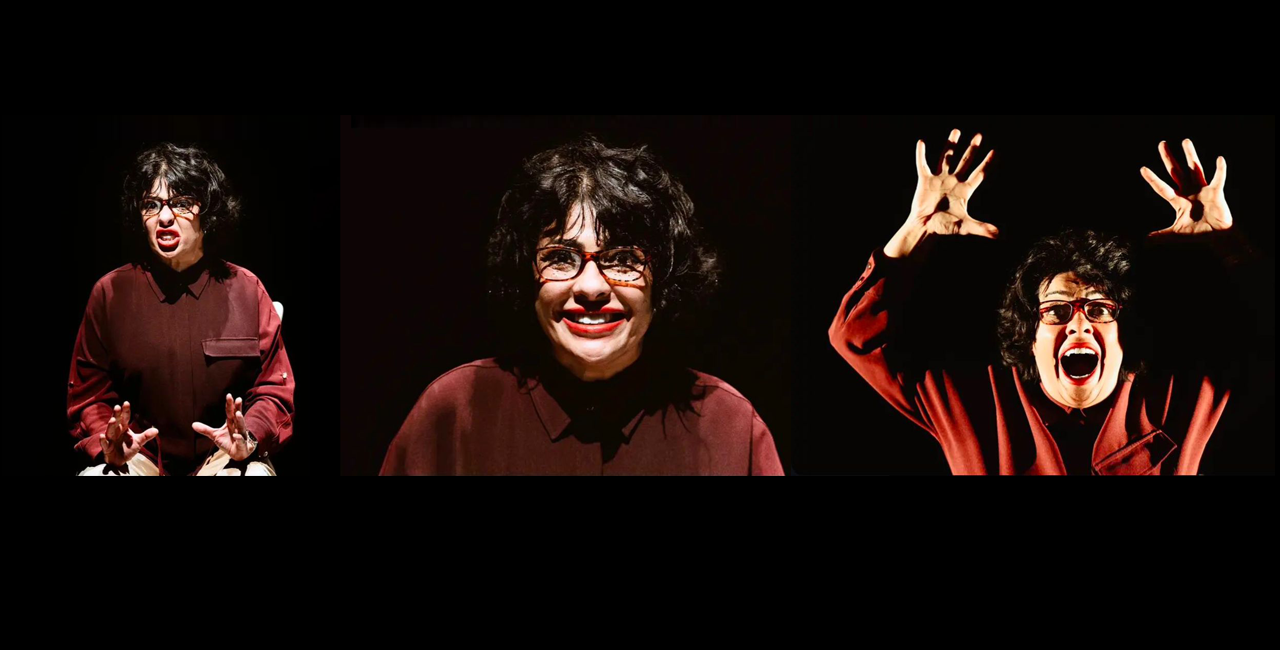
The play worked on deconstructing this relationship as a symbolic structure in which multiple layers intersect. It reflects the dynamic between a psychiatric patient subjected to the authority of a doctor, while also alluding to the individual under the dominance of a totalitarian power, ultimately extending to the image of the globalized human being subjected to the authority of capital. This interplay was manifested through a directorial approach that sustained the tension between the two characters, with the suffocation of the first character and their submission to the second forming the central محور of the performance.
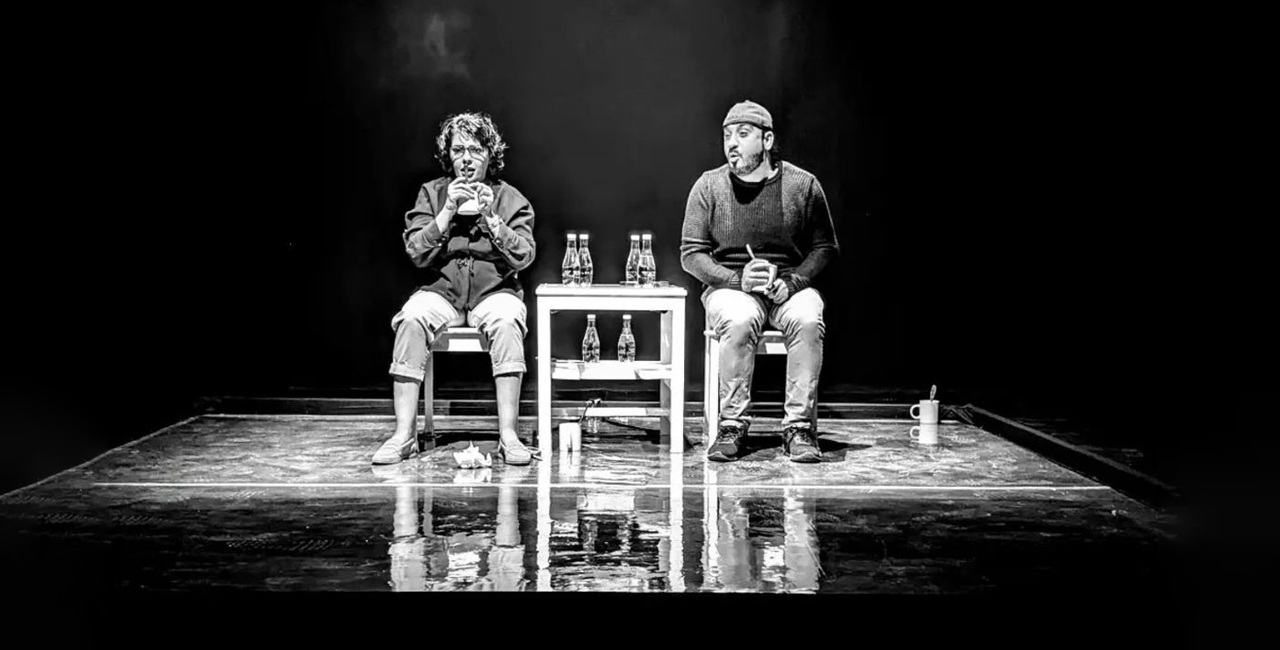
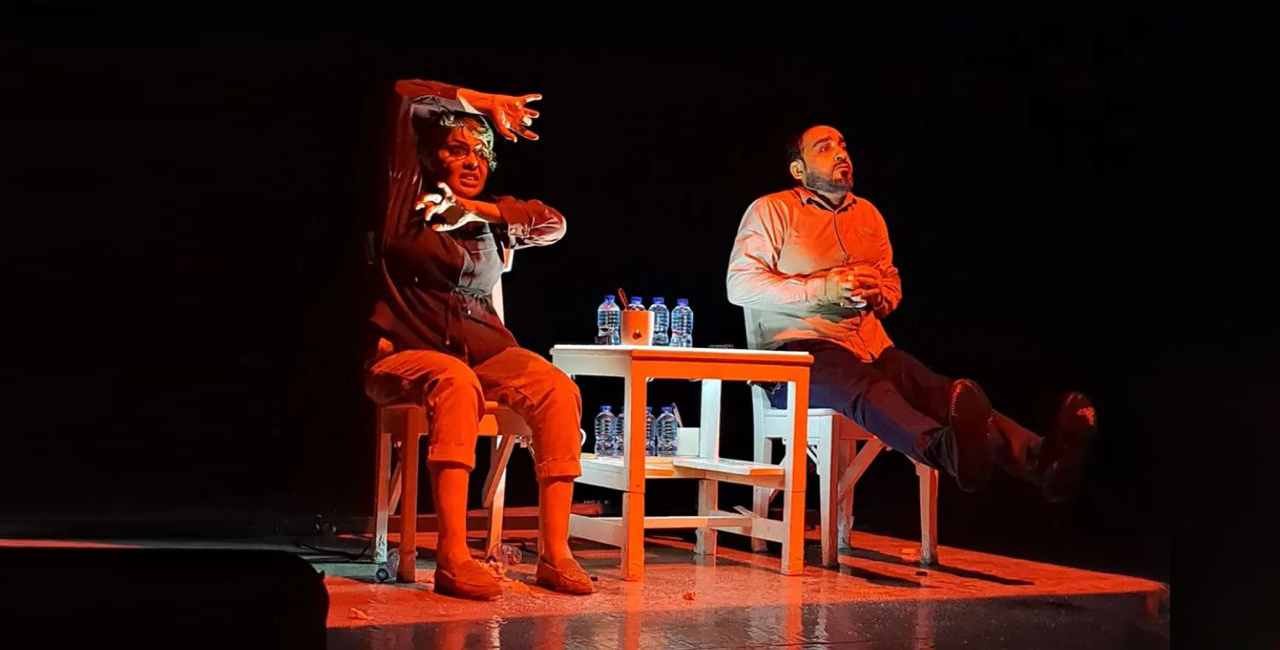
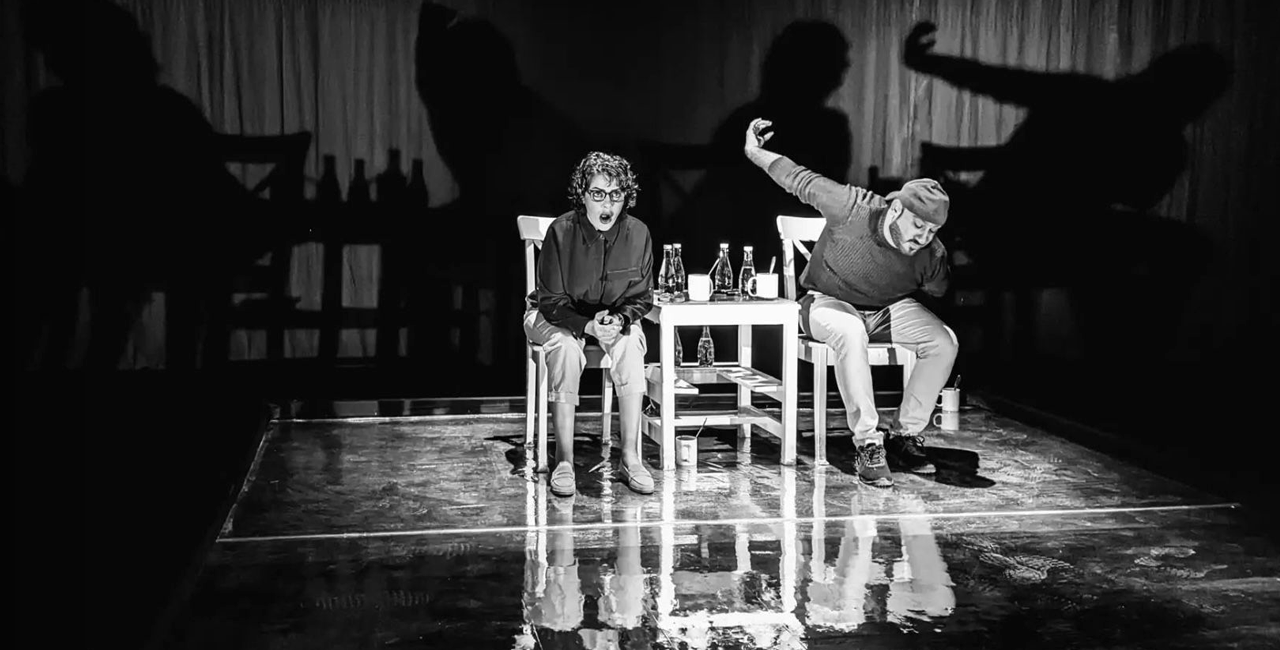
وThe stage space was highly minimalistic, limited to a small table and two chairs, clearly reinforcing an abstract approach that places absolute centrality on the actors’ performance while intensifying both the internal and external conflicts of the characters. On the level of symbolism, the performance incorporated songs such as “A Sparrow Appeared at the Window” by Fairuz and “Love Never Dies” by Salma as auditory motifs that evoke themes of love and freedom. This stands in contrast to a dramatic reality built on the suffocation and erosion of these very values, transforming the songs into a contrasting element that deepens the symbolic dimension of the performance.
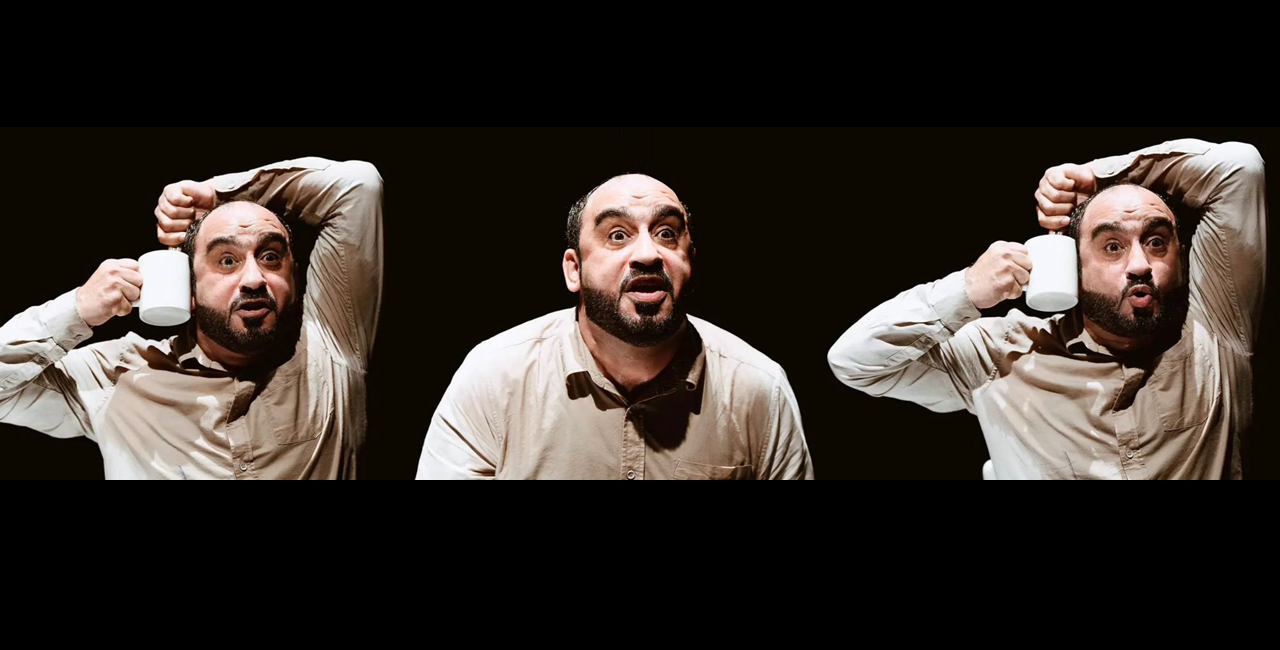
The participation was crowned with actor Mohammed Al Marzooq winning the Best Actor Award, while actress Soudabeh Khalifa was nominated for Best Actress—affirming the strength of the performances that carried the structure of the production. It is worth noting that the play was first staged at the Al-Sawari Theatre Festival, before continuing its presence through a touring series of performances across Bahrain, in an experience that sought to break the boundaries of conventional theatrical space and bring theatre closer to the audience.
With this approach, “Hot Coffee” has established itself as a work that engages with the questions of the contemporary human condition, presenting a model of theatre that relies on minimal resources while remaining expansive in its meanings.